Your business probably doesn’t need more content
By Sam Charlesworth
Businesses have never been under more pressure to create content. Post on LinkedIn. Make Reels. Update the website. Film behind the scenes. Send a newsletter. Start a TikTok. Take more photographs. And whatever you do, don’t stop feeding the algorithm.
As someone who makes content for businesses for a living, here’s a slightly inconvenient suggestion: your business probably doesn’t need more of it.
What you probably need is to get more from the content you’re already creating.
The problem with the content treadmill
It’s remarkably easy for content creation to become an end in itself. A business decides it needs to post three times a week because that’s what it has been told it should do. Someone is tasked with finding something, anything, to publish, and success gradually becomes measured by whether Tuesday’s post went out rather than whether anybody benefited from seeing it.
The same thing happens with professional production. A company decides it needs a corporate video. A brief is written, a filming day is arranged and eventually a finished three-minute film appears on the website.
Job done.
Except that everyone needed for the production was already in the same place. The office looked its best. Staff had made time in their diaries. Perhaps customers had travelled in to give interviews. Cameras, lighting and sound equipment had been set up.
All of that effort resulted in one piece of content. That can be a surprisingly expensive way of working.
Start with the objective, not the format
One of the most useful questions a business can ask before creating anything is also one of the simplest:
“What are we actually trying to achieve?”
“We need a video” isn’t really an answer.
Are you trying to generate enquiries? Explain a complicated service? Recruit people? Build trust? Introduce the people behind the company? Demonstrate a product? Give your sales team something useful to send prospects?
The answer changes what you should create.
It may turn out that you don’t need a polished two-minute film at all. Three straightforward customer testimonials might be far more useful. Likewise, a beautifully produced brand film isn’t necessarily the thing your recruitment team needs when a potential employee simply wants to know what the workplace and their future colleagues are actually like.
Starting with the objective makes it much easier to decide what deserves your time and money, and what doesn’t.
One production can do far more than one job
When professional production is the right answer, businesses can often get considerably more from it simply by planning ahead.
Imagine a company has arranged a day of filming. Rather than thinking about that day as “we’re making our new company video”, think about everything that’s temporarily available: the people, the location, the stories, the equipment and, importantly, everyone’s attention.
The main interview might form the backbone of a longer film, but portions could also become short vertical videos for social media.
A customer who’s already there could provide a testimonial. Staff could answer common questions individually. Still photographs can be captured for the website, press releases and LinkedIn. Different introductions or endings can turn essentially the same material into versions aimed at customers, prospective employees or investors.
A few deliberately filmed generic shots can provide background footage for content that hasn’t even been conceived yet.
Suddenly, one production is a library of material that might support the business for months.
Your existing content probably has more life in it
This principle doesn’t only apply when hiring a production company. Businesses routinely sit on huge quantities of useful material without realising it.
A 40-minute webinar doesn’t have to remain a 40-minute webinar. It might contain six useful answers that work independently. A detailed response your sales team sends repeatedly to customers could become an article. Frequently asked questions can become short videos. A presentation can become a series of LinkedIn posts. A customer case study can produce a written article, photographs, quotations and social posts. Even older professional photography may still be perfectly usable with a different crop or in a different context.
Before commissioning or creating something new, it is worth asking what you already have.
Not everything needs to be polished
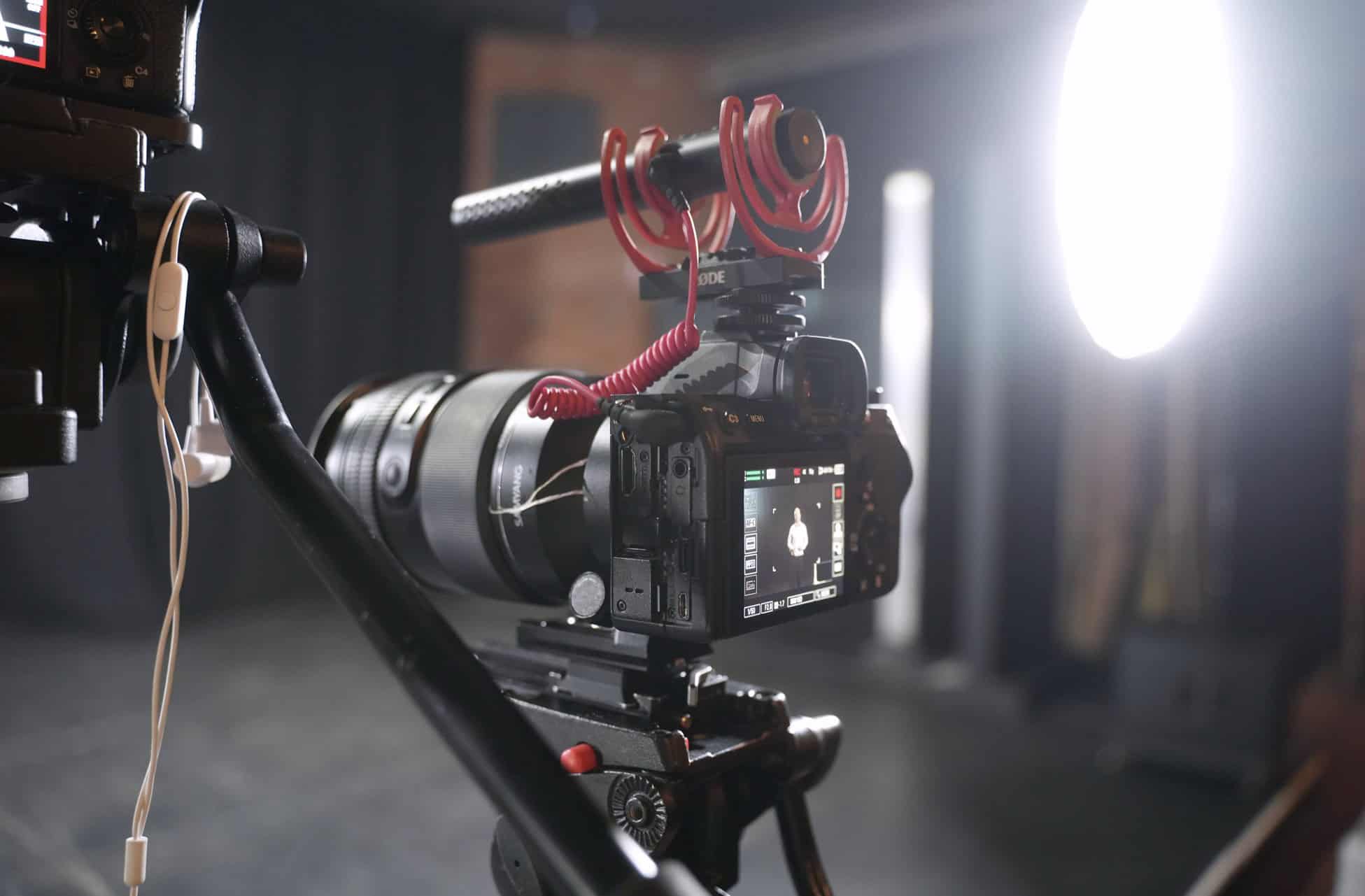
There’s another trap businesses can fall into: assuming every piece of content carrying the company name needs to look like an advert. It doesn’t. In fact, some things are better when they don’t.
A quick video from an engineer explaining an interesting problem they’ve just solved can be more engaging than a carefully scripted corporate film.
A photograph taken by an employee during an unusual project may tell a better story than something meticulously staged.
An informal phone video from behind the scenes can give customers a glimpse of the people they might actually be working with.
Professional production has its place when quality, consistency, sound, lighting, direction or brand presentation matter. But hiring a production crew to make every Instagram Reel would be unnecessary for most businesses.
The two approaches aren’t competitors. They do different jobs. The strongest content strategies I’ve encountered tend to use both.
Create assets, not posts
Perhaps the biggest shift is to stop thinking exclusively in terms of individual posts. Instead, think about assets.
Good photographs are assets. Customer interviews are assets. Product footage is an asset. Staff profiles are assets. Drone footage of a site is an asset. A collection of useful answers from somebody who understands the business is an asset.
Once those exist, they can be combined and reused in different ways. That also makes reacting to opportunities considerably easier, like if a trade publication asks for a photograph tomorrow, you have one. Or when you’re recruiting, you already have material showing what working at the company is actually like.
The objective becomes building a useful visual and informational library rather than desperately finding something new to publish every few days.
More isn’t a strategy
None of this means businesses should stop creating content. It means volume by itself isn’t a particularly useful objective.
There will always be another platform to post on, another format to try and another algorithm demanding attention. Attempting to satisfy all of them can consume an extraordinary amount of time without necessarily achieving very much.
Sometimes, the answer genuinely is a large professional campaign. It may be an employee with an iPhone. Or perhaps the best thing you can do is take something you created six months ago and find a better use for it.
Before asking “What should we create next?”, it may be worth asking a different question: “What are we trying to achieve, and what do we already have that could help us achieve it?”
The answer might save you quite a lot of time. And quite a lot of money.
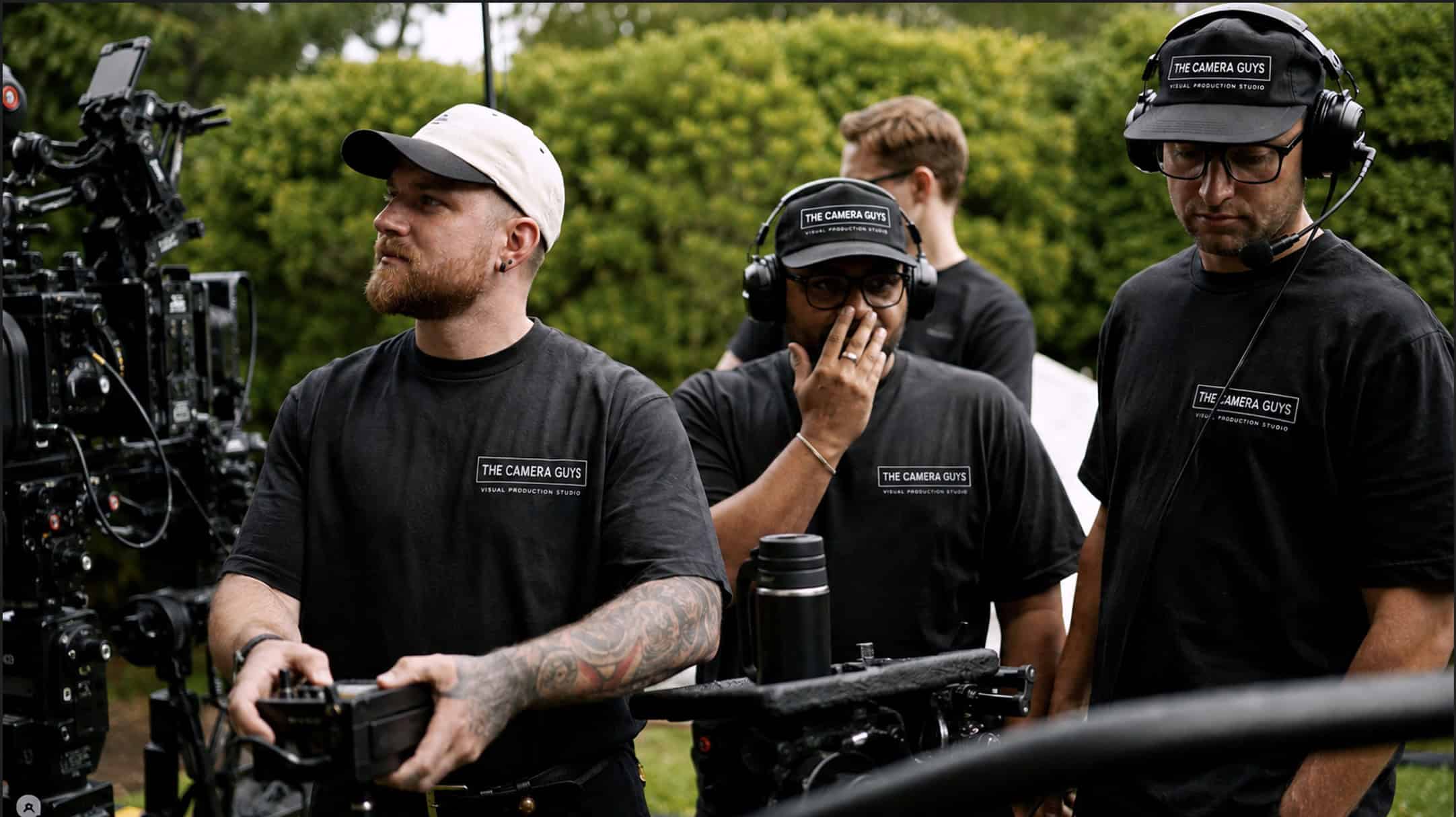
About the author: Sam Charlesworth is Director of The Camera Guys, a Suffolk-based visual production studio providing video production, photography and drone services to businesses and organisations across the UK.